
Asthma Self-Care Guide 2026: Empowering Your Breathing Naturally
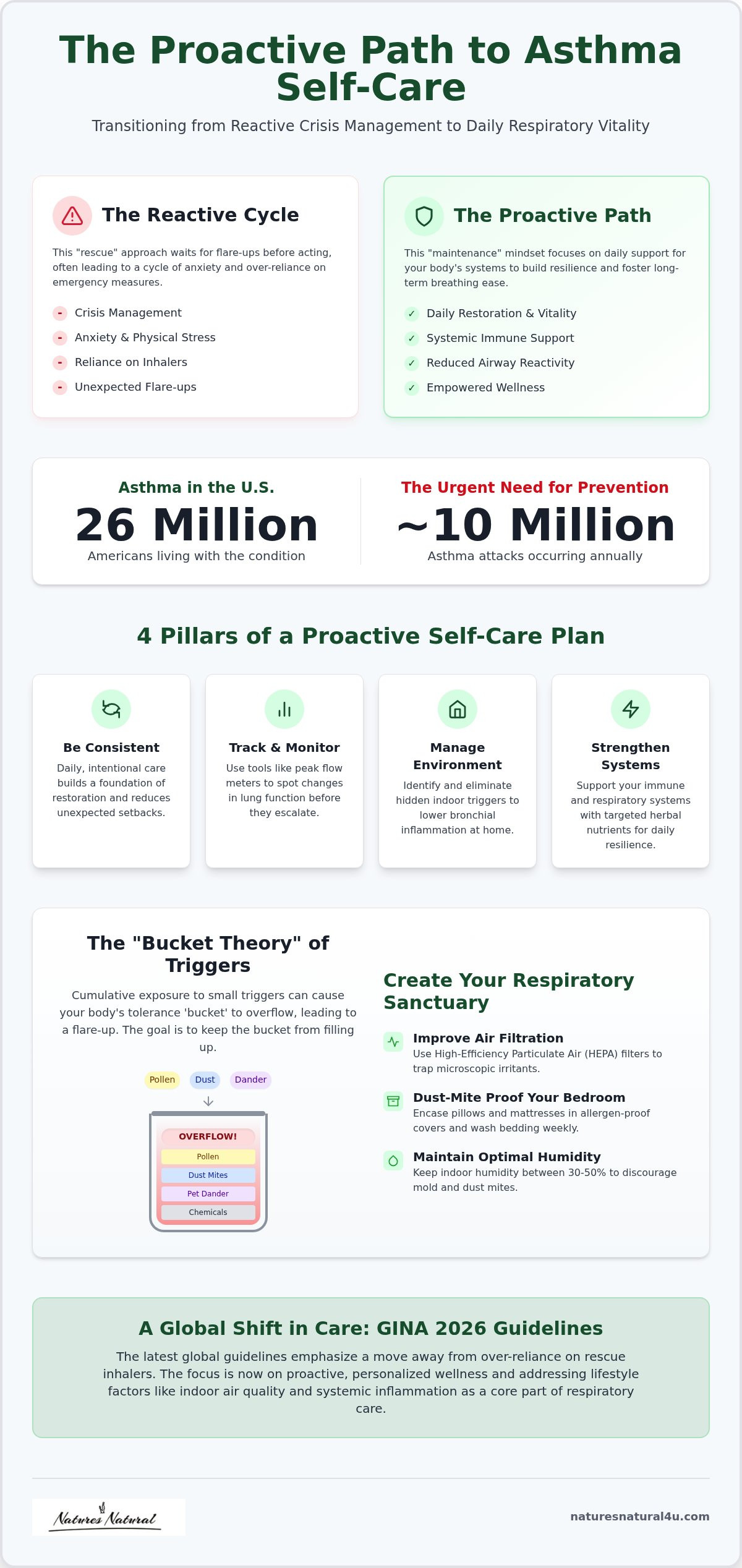
True respiratory freedom isn't found in the frantic search for a rescue inhaler; it's built in the quiet, intentional moments of daily RESTORATION. If you've ever felt the sudden spike of anxiety during a flare-up or the persistent frustration of side effects from synthetic medications, you're certainly not alone. Many of the 26 million Americans living with this condition feel trapped by environmental triggers (like seasonal pollen or indoor dust) that seem entirely out of their control. Embracing a proactive approach to asthma self-care means moving beyond the cycle of crisis management and toward a lifestyle that prioritizes systemic support.
We're here to help you transition from reactive emergency care to a natural routine that supports long-term respiratory VITALITY. By focusing on the body's innate ability to heal and maintain balance, you can find a sense of relief and hope that feels both sustainable and empowering. In this guide, we'll explore the latest 2026 GINA guidelines, discuss how to minimize your reliance on emergency measures (without sacrificing safety), and provide a clear, actionable wellness plan for your daily life. You'll discover how simple shifts in your environment and targeted herbal support can lead to profound breathing ease and lasting physical comfort.
Key Takeaways
- Redefine your breathing journey by transitioning from reactive crisis management to a proactive maintenance mindset focused on long-term VITALITY.
- Identify and eliminate hidden indoor triggers with a practical checklist designed to lower bronchial inflammation and improve air quality at home.
- Explore the vital link between immune strength and lung health, learning how solution-oriented herbal support can help calm sensitive airways.
- Build a personalized asthma self-care routine that combines targeted respiratory supplements with daily breathing rituals for maximum comfort.
- Learn to navigate the balance between traditional inhalers and natural support tools to create a comprehensive, resilience-based wellness strategy.
What is Asthma Self-Care? Moving from Reaction to Prevention
True asthma self-care is far more than a checklist of things to do when you feel a chest tightness coming on. It's a daily, intentional commitment to respiratory VITALITY (the state of your lungs when they are at their strongest) rather than just a desperate attempt to avoid the next attack. For many, the traditional experience of asthma is defined by "rescue" thinking. This is a reactive state where you wait for a flare-up to occur before reaching for a solution. While emergency measures are life-saving, relying on them exclusively keeps you in a cycle of anxiety and physical stress. Moving toward a "maintenance" mindset allows you to focus on the underlying health of your bronchial tubes every single day.
Effective Asthma management in 2026 requires a deep understanding of your body’s unique rhythms. With nearly 10 million asthma attacks occurring annually in the United States, the shift toward proactive care is more urgent than ever. By tracking your symptoms (even the subtle ones like a slight morning cough or minor fatigue after a walk), you can identify changes in lung function before they escalate into a crisis. This systemic approach focuses on supporting the body’s natural defense systems (your immune and respiratory barriers) as a core pillar of wellness. When you nourish these systems, you build a foundation of RESTORATION that makes your airways less reactive to the world around you.
The Pillars of a Proactive Respiratory Routine
A successful routine isn't built on guesswork. It relies on daily monitoring using tools like peak flow meters to establish your personal baseline. Understanding your "normal" allows you to spot trends early. Consistency is equally vital; intermittent care often leads to inconsistent results and unexpected setbacks. By integrating professional medical advice with natural support systems, such as the Respiratory & Immune Support Supplement, you create a holistic shield for your lungs. This combination ensures your body has the herbal nutrients it needs for daily resilience while maintaining the safety of your prescribed plan.
Why 2026 is the Year of Empowered Breathing
The latest GINA 2026 guidelines highlight a significant global shift away from over-reliance on rescue inhalers for all levels of severity. We now have better insights into how lifestyle factors (like indoor air quality and systemic inflammation) influence bronchial sensitivity. This year marks a turning point where personalized, natural wellness is no longer an alternative, but a partner in respiratory care. Asthma self-care is a proactive, multi-faceted approach to lung health that combines environmental awareness, symptom tracking, and systemic herbal support to foster long-term breathing ease.
Identifying and Managing Environmental Triggers at Home
Your home should be a place of RESTORATION, yet for many, it's where the most persistent triggers hide. To master asthma self-care, you must understand the "Bucket Theory" of environmental stressors. Imagine your body's tolerance as a bucket. A little dust fills it slightly; a bit of pet dander adds more; a strong cleaning scent brings it closer to the brim. Individually, these small exposures might not cause a flare-up, but once the bucket overflows, your system reacts. Managing your environment is about keeping that bucket as empty as possible (by reducing cumulative stress) so your lungs have the capacity to handle unexpected challenges.
Indoor air quality has a direct, measurable impact on bronchial inflammation. When you breathe in microscopic irritants, your airways can become hypersensitive and swollen. This makes a systematic home audit essential for anyone looking to reduce their reliance on rescue measures. By identifying these triggers early, you transition from a state of constant alertness to a state of controlled wellness and physical ease.
Creating a Respiratory Sanctuary
Transforming your living space into a sanctuary starts with high-quality filtration. High-efficiency particulate air (HEPA) filters are essential (they trap nearly all microscopic particles) for removing irritants that standard vacuums often miss. We also suggest the following steps for an asthma-safe home:
- Dust-mite proofing: Use allergen-proof covers on mattresses and pillows to create a physical barrier against these common pests.
- Natural cleaning: Swap out harsh, scented chemicals for simple alternatives like vinegar and water to avoid irritating volatile organic compounds (VOCs).
- Humidity control: Use a dehumidifier to keep indoor moisture levels between 30% and 50%. This range is high enough for comfort but low enough to prevent mold growth and dust mite proliferation.
Outdoor Awareness and Seasonal Strategy
While you can control your home, the outdoors requires a strategic approach. Use air quality indices to plan your daily activities, choosing to stay indoors when pollution or ozone levels are high. During peak seasons, pre-emptive steps like keeping windows shut and showering after outdoor exposure can significantly protect your nasal passages. For more detailed insights on managing these external factors, you can read our Allergic Asthma Treatment: A Natural Guide. Staying proactive with your asthma self-care ensures that seasonal shifts don't disrupt your daily comfort. If you want to strengthen your body's natural defenses against these environmental changes, feel free to explore our natural wellness offerings.
Strengthening Your System: The Role of Respiratory and Immune Support
A common misconception is that bronchial sensitivity exists in a vacuum. In reality, your lungs are deeply connected to your immune system's overall state. When the immune system is hyper-reactive (often due to systemic inflammation), it sends signals that cause the airways to tighten and produce excess mucus at the slightest provocation. By focusing on internal restoration, you can lower the volume of these signals. This systemic approach is a cornerstone of effective asthma self-care, turning your body from a vulnerable target into a resilient fortress.
Systemic inflammation acts like a low-level heat in the body, making the lungs more prone to "boiling over" when a trigger appears. Managing this naturally involves more than just avoiding dust; it requires nourishing the tissues that line your respiratory tract. When these tissues are healthy and the immune response is balanced, you'll find that your breathing feels more effortless and your physical comfort increases significantly.
Herbal Allies for Lung Resilience
Nature provides a wealth of solution-oriented compounds designed to soothe the respiratory tract. Traditional respiratory herbs work by calming the delicate linings of the nasal passages and supporting the body's natural ability to clear mucus (a process vital for maintaining open, easy airways). These botanical ingredients don't just mask symptoms; they provide the systemic support necessary for long-term health. For a deeper look at which plants offer the most benefit, explore our guide on Herbs for Lung Health and Respiratory Support. Integrating these natural allies into your routine helps ensure that your breathing remains fluid and comfortable, even when environmental stressors arise.
Immune System Harmony
An overactive immune response is the primary driver behind allergic asthma. When your system perceives harmless particles like pollen or dust as major threats, it triggers an inflammatory cascade that constricts the lungs. Balancing this response through targeted nutrition and high-quality supplementation is essential for reducing the frequency of these reactions. Using a specialized Respiratory & Immune Support Supplement provides the body with the purity and formulation it needs to maintain equilibrium. Supporting the immune system is a CRITICAL step in long-term asthma self-care.
A resilient system is better equipped to handle the inevitable triggers of daily life. While you can't always control the air quality outside, you can control how your body responds to it. By prioritizing systemic RESTORATION and reducing inflammation naturally, you gain a sense of relief and hope that lasts well beyond the immediate moment. You aren't just managing a condition; you're actively building a foundation for long-term vitality.
Evaluating Natural Supplements vs. Traditional Maintenance Tools
Effective asthma self-care recognizes that natural supplements and traditional tools can work in harmony. There's a common misconception that "natural" implies a lack of regulation or efficacy; however, solution-oriented herbal support is built on systemic restoration rather than just masking symptoms. While traditional tools like maintenance inhalers are essential for managing active inflammation, they often focus on the "now." Natural support focuses on the "always," building the underlying resilience your body needs to stay calm in the face of triggers. Choosing between them isn't a matter of one or the other; it's about creating a comprehensive shield for your respiratory VITALITY.
What to Look for in a Respiratory Supplement
Not all supplements are created equal, and a generic multivitamin simply isn't enough for targeted lung health. When evaluating your options, you must prioritize purity and bioavailability (the body's ability to actually absorb and use the nutrients). A high-quality supplement should offer a solution-focus that addresses both the respiratory and immune systems simultaneously. The NaturesNatural4u difference lies in our commitment to clean, herbal formulations that provide systemic support without the heavy side effects often found in synthetic alternatives. By choosing a formula specifically designed for bronchial and nasal passages, you ensure your body receives the exact compounds it needs for daily RESTORATION.
The Importance of Oral Health in Respiratory Care
The path to your lungs begins in your mouth and throat, making oral hygiene a vital yet often overlooked part of asthma self-care. Bacteria and irritants in the oral cavity can easily travel downward, potentially aggravating sensitive airways. Using natural, fluoride-free oral care products helps maintain a cleaner respiratory path without introducing harsh chemicals into your system. Our Natures Natural Tooth & Gum Ointment (infused with refreshing peppermint) provides a soothing, herbal way to support your oral health. This proactive step ensures that your first line of defense is as pure and supportive as the air you're working so hard to protect.
Traditional tools handle the immediate crisis, but natural supplements empower your long-term wellness. By following a framework of purity and targeted support, you can reduce your reliance on emergency measures over time. This transition from reactive care to proactive maintenance is the key to finding lasting physical comfort and breathing ease. Trusting in the synergy of nature and science allows you to take full control of your respiratory journey with confidence and hope.
Building Your Daily Asthma Self-Care Plan with NaturesNatural4u
Building a sustainable routine is the bridge between understanding respiratory health and actually feeling the results in every breath you take. Consistent, gentle care is the most effective way to achieve the long-term physical COMFORT you deserve. By becoming an active participant in your own health journey, you shift the power away from environmental triggers and back into your own hands. This daily asthma self-care plan is designed to be easy to navigate and deeply restorative, ensuring your system remains supported from the moment you wake up until you drift into sleep.
The transition to a proactive lifestyle doesn't happen overnight, but small, intentional steps create a cumulative effect of wellness. When you prioritize the health of your lungs through a structured plan, you reduce the underlying stress on your bronchial passages. This methodical approach fosters a sense of relief and hope, replacing the anxiety of "what if" with the confidence of "I am prepared."
A Sample Daily Wellness Routine
- Morning: Start your day by providing your body with the nutrients it needs for resilience. Take your Respiratory & Immune Support Supplement with a large glass of water. This morning ritual ensures your system has foundational support for the day's environmental challenges.
- Afternoon: Use your midday break for a brief self-care ritual. Spend five minutes practicing mindful breathing exercises to strengthen your lung capacity and calm your nervous system. Take a moment to check your immediate environment, ensuring your workspace is free from dust or strong scents that could fill your "trigger bucket."
- Evening: Focus on preparing your respiratory system for restorative sleep. Ensure your bedroom is a sanctuary with balanced humidity and clean air. Relaxation techniques, such as gentle stretching or herbal tea, can help lower systemic inflammation before bed.
Taking the Next Step Toward Vitality
Your journey toward better breathing is unique, and you don't have to walk it alone. If you feel you need more personalized guidance, the NaturesNatural4u team is dedicated to supporting your specific wellness goals. We believe in holistic health, recognizing that different systems in the body often influence one another. For men seeking comprehensive systemic balance, the Prostate Wellbeing Kit can be an excellent partner in maintaining overall vitality. By addressing your health from multiple angles, you create a stronger, more resilient foundation for your entire body.
Embrace a Future of Clearer Breathing
Taking control of your breathing is a profound shift from living in fear to living with intention. By mastering your home environment and nourishing your body with systemic support, you create a foundation for lasting RESTORATION. True asthma self-care isn't about a single quick fix; it's a daily commitment to your own vitality and comfort. You now have the framework to evaluate natural solutions and integrate them into a routine that works for your unique lifestyle.
Our solution-oriented natural formulas are specifically crafted to be your partners in this journey toward breathing ease. We take pride in our empathetic, expert-guided wellness approach, prioritizing your individual progress over clinical detachment. This holistic health support is trusted by a community of individuals who are ready to move beyond reactive emergency measures. You deserve the physical comfort that comes from a resilient, well-supported respiratory system.
Believe in your body's ability to find balance and embrace the hope of a clearer, more vibrant future. We're here to guide you every step of the way toward the respiratory freedom you've been seeking.
Frequently Asked Questions
What is the most important part of asthma self-care?
The most important part of asthma self-care is the shift from reactive crisis management to proactive daily maintenance. This involves consistently monitoring your symptoms and establishing a "respiratory sanctuary" at home by managing environmental triggers. By focusing on your baseline health every day, you build the systemic resilience needed to handle unexpected challenges without falling into a state of panic or physical distress.
Can natural supplements replace my prescribed asthma medication?
Natural supplements are designed to be a supportive partner in your wellness journey, not a replacement for your prescribed medical plan. While herbal formulations provide systemic support and help maintain respiratory VITALITY, you should always consult with your healthcare provider before making changes to your primary treatment. Combining professional medical advice with natural restoration tools creates a comprehensive shield for your long-term health and comfort.
How does the immune system affect my asthma symptoms?
Your immune system and respiratory health are deeply interconnected because an overactive immune response is the primary driver of bronchial sensitivity. When the immune system perceives environmental particles as threats, it triggers an inflammatory cascade that leads to airway constriction. Balancing this response through targeted nutrition and systemic support can help reduce the frequency and intensity of your body's reactions to common triggers.
What are some natural ways to strengthen my lungs at home?
You can naturally strengthen your lungs by integrating specific breathing exercises into your midday ritual to increase capacity and lower stress. Additionally, maintaining indoor humidity between 30% and 50% prevents the growth of mold and dust mites, which are major respiratory irritants. Using HEPA filtration in your living spaces further ensures that the air you breathe is free from microscopic particles that cause inflammation.
Are there specific herbs that help with respiratory support?
Several traditional herbs are highly effective for soothing the nasal passages and supporting the body's natural ability to clear mucus. These botanical compounds provide targeted support for the respiratory tract, helping to maintain open and easy airways. Choosing a solution-oriented formula like our Respiratory & Immune Support Supplement ensures you receive these herbal nutrients in a high-purity, bioavailable form for maximum effectiveness.
How often should I review my asthma self-care routine?
It's best to review your asthma self-care routine at the start of every season to account for changing environmental triggers like pollen or humidity. Regular reviews allow you to adjust your home audit checklist and ensure your daily rituals are still meeting your current needs. Staying proactive with these updates helps you remain an active participant in your health journey as the world around you shifts.
Can oral health impact my respiratory wellness?
Oral health has a significant impact on your respiratory wellness because the mouth and throat serve as the primary gateway to your lungs. Irritants or bacteria in the oral cavity can easily travel downward, potentially aggravating sensitive bronchial tubes. Using natural, fluoride-free oral care products (like herbal peppermint ointments) helps maintain a cleaner path and supports your body's first line of defense against irritants.
What should I do if my self-care routine isn’t enough during a flare-up?
If your self-care routine isn't enough during a flare-up, you must immediately follow the clinical action plan developed with your healthcare provider. Self-care is a foundational tool for proactive maintenance and long-term resilience, but it's not meant to handle acute respiratory emergencies. Always keep your rescue measures accessible and don't hesitate to seek professional medical assistance if your symptoms escalate beyond your controlled baseline.